
CTR Optimization: Proven Strategies to Boost Your Click-Through Rate
In the competitive digital landscape, attracting traffic is only half the battle. The other half lies in CTR optimization, which determines how many users actually click on your links in search results, emails, or ads. A high click-through rate (CTR) not only boosts website traffic but also signals relevance to search engines, potentially improving rankings.
CTR optimization is more than tweaking headlines; it’s a strategic process involving user intent, design, content quality, and analytics. In this article, we’ll explore actionable strategies to optimize your CTR and get measurable results.
Understanding CTR and Its Importance
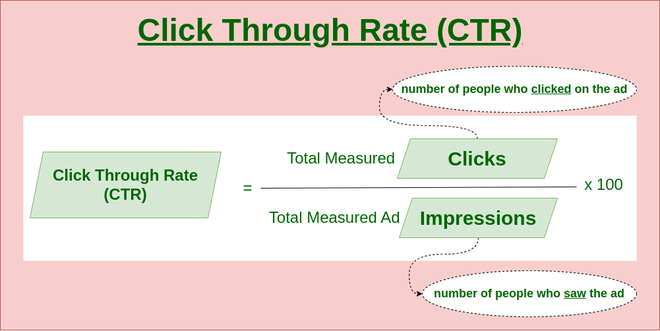
CTR, or Click-Through Rate, is calculated by dividing the number of clicks by the number of impressions, expressed as a percentage. For example, if your ad was shown 1,000 times and received 50 clicks, your CTR would be 5%.
Why is CTR important?
Boosts Organic Rankings: Search engines like Google interpret higher CTR as user engagement, which can enhance your ranking for specific keywords.
Improves Paid Campaign ROI: For PPC campaigns, a higher CTR can lower cost-per-click (CPC) and increase conversion efficiency.
Reflects Content Relevance: A strong CTR shows that your titles, meta descriptions, and visuals resonate with your audience.
Key Factors Influencing CTR
Several elements affect CTR across platforms. Focusing on these factors can dramatically improve your results:
1. Compelling Headlines
Your headline is the first impression users get. Headlines that evoke curiosity, urgency, or emotion are more likely to drive clicks. Include your primary keyword naturally to improve relevance.
2. Optimized Meta Descriptions
A well-crafted meta description complements your headline. Use persuasive language, include numbers or statistics, and clearly convey the benefit of clicking your link.
3. Structured Data and Rich Snippets
Rich snippets, such as star ratings, product prices, or FAQs, increase your content’s visibility in search results. They catch the eye and can significantly boost CTR.
4. Visual Enhancements
Images, icons, or video thumbnails in emails, social media posts, and ads can make your listing stand out. Eye-catching visuals improve engagement and clicks.
5. URL Structure
Short, readable URLs that include your target keyword can enhance trust and improve CTR. Avoid long, complex URLs that are hard to remember.
Proven CTR Optimization Strategies
Implementing effective strategies requires a combination of content improvement, technical SEO, and testing.
A. A/B Testing Headlines and Descriptions
Test multiple headline and meta description variations to see which performs best. Small changes in wording can lead to significant improvements in CTR.
B. Leverage Power Words
Words like “Proven,” “Ultimate,” “Free,” or “Exclusive” can trigger curiosity and engagement. Use them naturally without overstuffing keywords.
C. Focus on User Intent
Match your content with what the user is searching for. Informational, transactional, and navigational queries require different approaches. Aligning your message with intent increases clicks.
D. Optimize for Mobile
With mobile traffic dominating the web, your content must be mobile-friendly. Headlines, buttons, and layouts should be readable and clickable on smaller screens.
E. Monitor and Analyze Performance
Use Google Search Console, analytics tools, and heatmaps to track CTR across pages. Identify underperforming content and refine it using tested strategies.
CTR Optimization for Paid Campaigns
CTR optimization isn’t limited to organic search; it’s critical in paid advertising as well.
Ad Copy Testing: Continuously test ad headlines, descriptions, and calls-to-action to improve engagement.
Targeting and Segmentation: Serve ads to the right audience based on demographics, behavior, and interests.
Ad Extensions: Use site link, callout, and structured snippet extensions to provide more information and attract clicks.
High CTR in paid campaigns reduces CPC and improves overall ROI, making it a vital KPI for marketers
Common Mistakes in CTR Optimization
Even experienced marketers can make errors that hurt CTR:
Clickbait Headlines: While tempting, misleading titles can drive traffic but reduce trust and increase bounce rates.
Ignoring Analytics: Not tracking CTR data means missing opportunities to refine strategies.
Keyword Stuffing: Overusing keywords in headlines and descriptions can reduce readability and harm performance.
Poor Mobile Experience: Neglecting mobile optimization can drastically lower CTR as users abandon hard-to-navigate pages.
Avoiding these pitfalls ensures sustainable CTR Optimization growth and better user engagement.
Measuring the Success of CTR Optimization
Measuring CTR improvement requires tracking key metrics over time:
CTR by Page or Ad: Compare performance across different pages, campaigns, or content types.
Bounce Rate Correlation: Analyze whether higher CTR also leads to meaningful engagement on your website.
Conversion Rate Impact: Track if increased clicks translate into sales, sign-ups, or desired actions.
Consistent monitoring allows you to refine strategies and maintain competitive advantage.
Conclusion
CTR optimization is a crucial aspect of digital marketing that blends strategy, creativity, and data analysis. By crafting compelling headlines, leveraging rich snippets, understanding user intent, and continuously testing, you can significantly improve click-through rates for both organic and paid campaigns. CTR Optimize
Remember, CTR is not just a number; it reflects how well your content resonates with your audience. Focus on providing value, testing approaches, and staying aligned with user expectations to see sustainable growth in traffic and conversions. CTR Optimize
Implement these strategies today and watch your CTR—and overall digital performance—soar.