
SEO Copywriting: How to Write Content That Ranks, Engages, and Converts
In today’s competitive digital landscape, simply writing good content is no longer enough. Search engines demand relevance, users expect value, and businesses want conversions. This is where SEO Copywriting plays a crucial role. It blends persuasive writing with search engine optimization to create content that ranks well and motivates readers to take action.

When done correctly, SEO copywriting helps websites gain visibility, authority, and long-term organic traffic without relying heavily on paid ads.
What Is SEO Copywriting?
SEO copywriting is the practice of creating content that is optimized for search engines while remaining valuable, readable, and engaging for users. Unlike traditional copywriting, it focuses not only on persuasion but also on search intent, keyword relevance, and content structure.
Effective SEO copywriting ensures that your content answers user queries clearly, follows SEO best practices, and aligns with modern ranking signals such as user experience and topical authority.

Why SEO Copywriting Matters in 2026
Search engines have become smarter than ever. Algorithms now prioritize helpful, experience-based content rather than keyword-stuffed pages. This makes SEO copywriting essential for businesses that want sustainable growth.
Here’s why it matters:
It improves organic rankings without compromising readability
It increases dwell time and reduces bounce rates
It builds trust and credibility through expert content
It supports conversion goals like leads and sales
Well-written SEO copy connects your brand with the right audience at the right time.
Understanding Search Intent Before Writing
One of the most important foundations of SEO copywriting is understanding search intent. Every search query falls into one of four categories: informational, navigational, commercial, or transactional.
Before writing, analyze what users expect to find. If the intent is informational, focus on clarity and education. If it’s commercial, highlight benefits and comparisons. Aligning content with intent improves relevance and boosts rankings.
How to Use Keywords Naturally
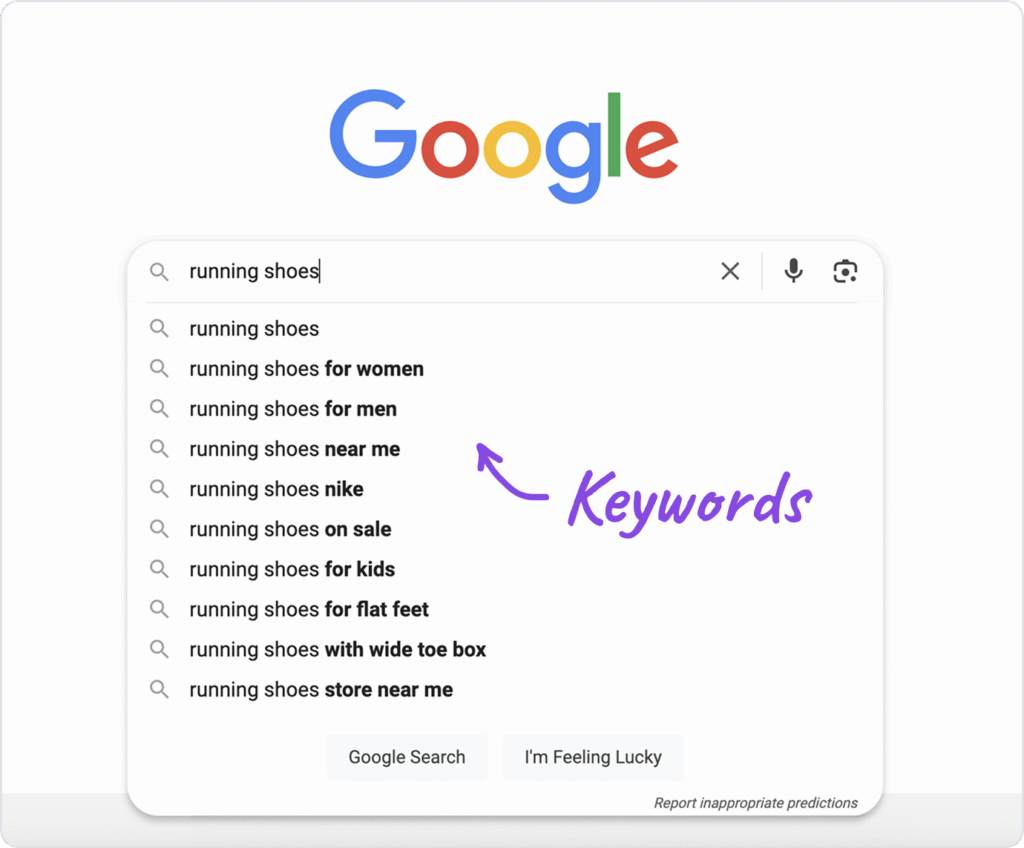
Keywords are still important, but overusing them can harm performance. In SEO copywriting, the focus keyword should be placed naturally in:
The title and meta description
The introduction and conclusion
One or two subheadings
Body content where it fits contextually
Supporting terms and semantic keywords help search engines understand topic depth without repetition. Natural language always performs better than forced optimization.
Creating EEAT-Focused Content
Google’s E-E-A-T framework—Experience, Expertise, Authoritativeness, and Trustworthiness—is central to modern SEO copywriting.
To strengthen EEAT:
Share real insights, examples, or practical advice
Write with confidence and accuracy
Avoid vague or misleading claims
Keep content updated and fact-based
When readers trust your content, search engines are more likely to trust it too.
Structuring Content for Readability and SEO
Proper structure improves both user experience and crawlability. SEO copywriting relies heavily on clean formatting.
Best practices include:
Clear H1, H2, and H3 headings
Short paragraphs for easy scanning
Bullet points where helpful
Logical content flow from introduction to conclusion
Search engines reward content that is easy to understand and navigate.
On-Page Optimization That Supports SEO Copywriting
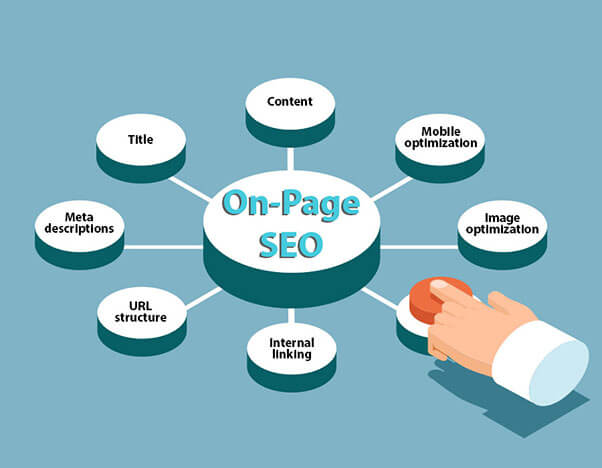
Strong copy works best when combined with technical on-page SEO. Supporting elements include:
Optimized meta tags
Internal linking to relevant pages
Fast loading speed and mobile responsiveness
Clean URL structure
SEO copywriting thrives when content quality and technical optimization work together.
Measuring the Success of SEO Copywriting
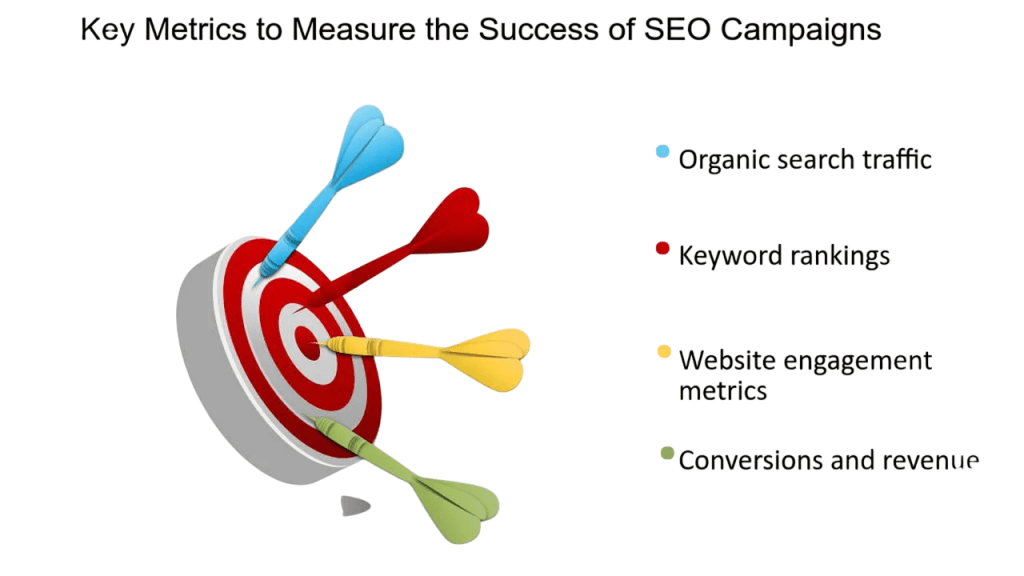
Tracking performance helps refine your strategy. Key metrics to monitor include:
Organic traffic growth
Keyword rankings
Time on page
Conversion rates
High-performing SEO copywriting doesn’t just attract visitors—it turns them into loyal users or customers.
Final Thoughts
SEO Copywriting is not about gaming search engines; it’s about delivering meaningful value in a way that search engines can understand and reward. By focusing on user intent, content quality, EEAT principles, and smart optimization, you can create content that ranks faster and performs better over time.
When consistency, clarity, and credibility come together, SEO copywriting becomes one of the most powerful tools for long-term digital success
Ready to Turn Words Into Rankings and Revenue?
If you’re serious about growing your online visibility, attracting the right audience, and converting traffic into real business results, now is the time to invest in strategic SEO copywriting. Great rankings don’t come from shortcuts or keyword stuffing—they come from content that understands users, answers their questions, and builds trust at every stage of the journey.Whether you’re a business owner, marketer, or content creator, powerful SEO copywriting can help you stand out in crowded search results, establish authority in your niche, and create long-term organic growth without relying on paid ads.