
AI and SEO: The Future of Smarter Search Optimization
Search engine optimization is no longer just about keywords and backlinks. With rapid technological advancement, AI and SEO have become deeply connected, changing how websites rank, how content is created, and how users interact with search results. Artificial intelligence is now shaping Google’s algorithms, user behavior analysis, and content evaluation more than ever before.
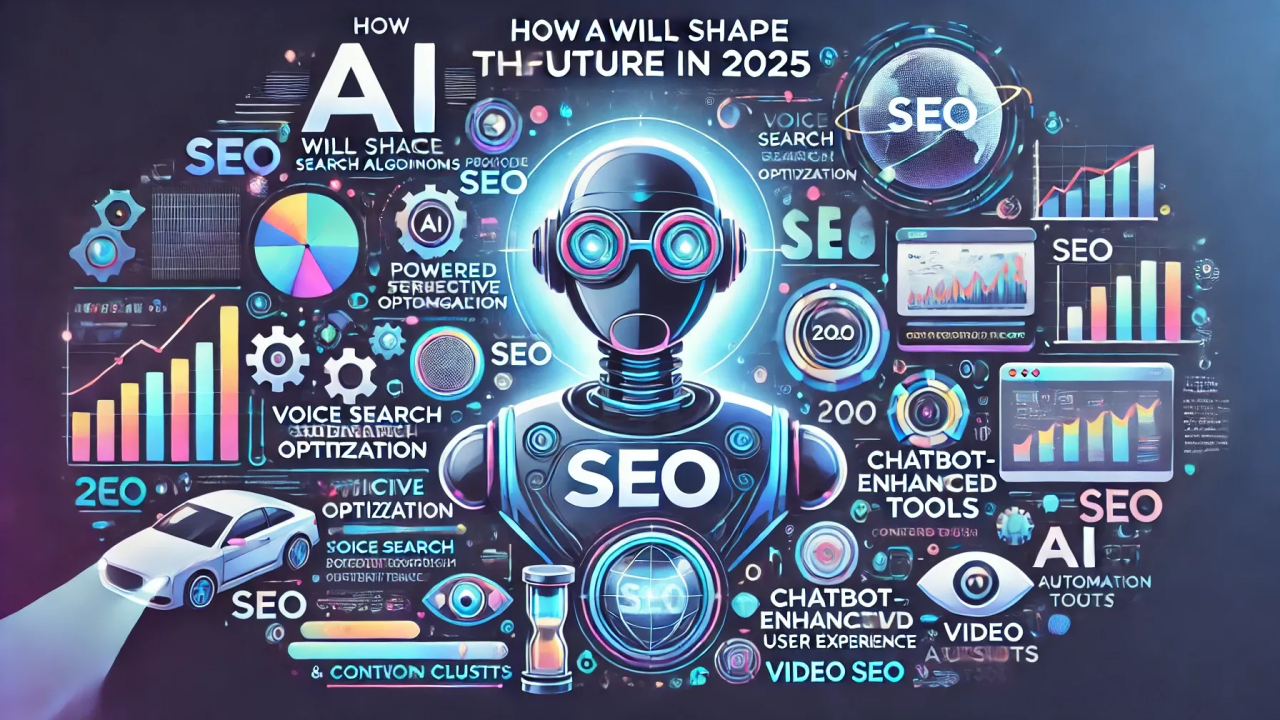
For businesses and digital marketers, understanding the relationship between AI and SEO is essential to staying competitive in 2026 and beyond.
Understanding the Relationship Between AI and SEO
Artificial intelligence refers to systems that can analyze data, learn patterns, and make decisions with minimal human input. Search engines like Google rely heavily on AI-powered algorithms such as RankBrain, BERT, and MUM to understand search intent and deliver relevant results.
In the context of AI and SEO, this means search engines no longer rely only on exact-match keywords. Instead, they evaluate content quality, relevance, authority, and user satisfaction. Websites that focus on real value rather than shortcuts benefit the most.
How AI Has Changed Keyword Research

Traditional keyword research focused mainly on search volume and competition. Today, AI-driven tools analyze search intent, semantic relationships, and user behavior patterns.
With AI and SEO working together, marketers can:
Identify intent-based keywords
Discover long-tail and conversational queries
Understand what users actually want, not just what they type
This shift helps create content that answers real questions, improving rankings and engagement.
AI-Powered Content Creation and Optimization
AI tools can assist in generating outlines, improving readability, and optimizing content structure. However, search engines reward human expertise and authenticity, not auto-generated text without value.
When using AI and SEO together correctly:
AI supports research and optimization
Humans provide experience, insight, and trust
Content aligns with E-E-A-T principles
Expert-written content enhanced by AI insights performs far better than content written solely by machines.

Search Intent and User Experience Are Now Critical
AI enables search engines to analyze how users interact with websites. Metrics like time on page, bounce rate, and engagement directly influence rankings.
This is where AI and SEO intersect with user experience:
Faster page speed improves retention
Clear structure helps AI understand content
Helpful answers reduce pogo-sticking
Optimizing for humans first automatically improves SEO performance.
Role of AI in Technical SEO
AI tools can quickly audit websites and identify technical issues that affect rankings. These include:
Broken links and crawl errors
Core Web Vitals performance
Duplicate content issues
Schema and structured data gaps
By integrating AI and SEO strategies, technical improvements become faster and more precise, helping search engines crawl and index websites efficiently.
E-E-A-T and AI: Why Trust Still Matters
Google’s E-E-A-T framework (Experience, Expertise, Authoritativeness, and Trustworthiness) remains crucial despite AI advancements. AI can analyze signals of credibility, but it cannot replace real expertise.
Strong AI and SEO alignment requires:
Content written or reviewed by experts
Transparent author profiles
Accurate and updated information
Genuine brand presence
Websites that demonstrate trust consistently outperform those relying only on automation.
AI in Link Building and Authority Growth

AI can help analyze backlink profiles, identify spam links, and find high-quality outreach opportunities. However, ethical link building remains a human-driven process.
When AI and SEO are used responsibly:
Link quality improves
Risk of penalties decreases
Authority grows naturally over time
Search engines reward relevance and authenticity, not manipulation.
Voice Search, Visual Search, and AI
AI has accelerated the growth of voice and visual search. People now search using natural language and images instead of short text queries.
To align AI and SEO with these trends:
Use conversational content
Optimize for question-based queries
Add descriptive alt text for images
Implement structured data
These practices help websites appear in featured snippets and AI-driven search results.
Best Practices to Combine AI and SEO Effectively
To achieve long-term success, follow these proven strategies:
Use AI for data analysis, not shortcuts
Focus on high-quality, helpful content
Prioritize user experience and intent
Update content regularly
Build authority through consistency
AI and SEO work best when aligned with ethical, user-focused optimization.
Final Thoughts: The Future of AI and SEO
The integration of AI and SEO is not about replacing humans but enhancing smarter decision-making. AI helps analyze patterns, while humans provide creativity, experience, and trust. Search engines continue to evolve toward rewarding value-driven content that genuinely helps users.
Businesses that adapt early, respect E-E-A-T principles, and use AI strategically will achieve sustainable rankings, stronger visibility, and long-term growth in search results.